
Welcome to this week’s post! This week I’ll be discussing backpacking on your own. Obviously my experience has been from the perspective of a female, but a lot of the advice I’ll be sharing is applicable to solo backpacking in general. The past 2 years I haven’t been backpacking because of my shoulder and neck injury. Instead of being sad about not being able to do this activity currently, I’ve chosen to reminisce on past backpacking trips and share what advice I do have.
Experience
Before I started university- and finally got my drivers license- I hadn’t done any backpacking on my own. I backpacked with my parents growing up because not many of my friends were in to hiking. During university I did a few solo backpacking trips because of the peace and deeper connection to nature that comes with it but primarily hiked with others I’d met during university. I did my first solo backpacking trip the summer before my sophomore year. A few months prior I had finally gotten my drivers license and had gotten a used car from a family friend, so I was finally free! I had a few weeks before classes started back up so I headed to the White Mountains of New Hampshire. 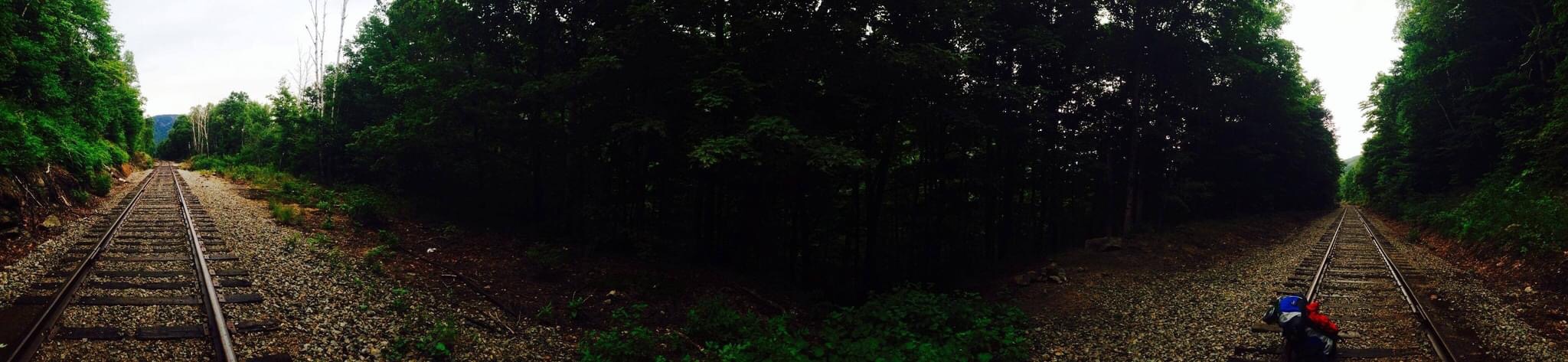
The hike was about 3 miles in Crawford Notch up to the Ethan Pond Campsite. Not too steep of a hike and a good first time backpacking trail. After settling in, filtering some water from Ethan Pond, and eating some food, I hung out with other backpackers. A bit before I headed to bed, one of the campers offered to go back to his tent platform to have a drink of scotch he had brought. I immediately felt uncomfortable because it caught me off guard and I hadn’t been flirting. Thankfully just saying no thank you and saying I was tired and wanted to head to bed was enough. It’s good to be prepared during situations such as this. In the safety section below I give a few tips on how to deal with situations such as this.
Just like car camping, a backpack has sections, the sections are just filled with more basic gear. Your gear must satisfy these sections: sleep, food, water, toilet, safety, personal, and miscellaneous items. Unfortunately- unlike car camping- your gear can’t really be substituted with everyday household items. Thankfully though there are used outdoor gear shops all over the country to affordably build your gear inventory. One of my favorite ones is in North Conway near the White Mountains. If you’re ever in the area stop by I.M.E (International Mountain Equipment) and check it out!
Sleep
There are really only two options for your sleeping set up while backpacking: sleeping in a hammock or on the ground. Sleeping in a hammock is a very lightweight option, but you rely on finding good trees wherever you end up camping, and there are multiple accessories to get to be away from bugs or sheltered from rain. I’m a bigger fan of a single person tent and sleeping pad setup, mainly for comfort, but also because you can keep your gear dry while sleeping. Some people even just use a sleeping pad with no shelter, but that ends up only being comfortable if bugs aren’t an issue and clear skies are in the forecast.Bedding depends on how much warmth you need. A good degree rating to start off with for a sleeping bag is 35 degrees. It works for the most popular times of year for backpacking: end of spring, summer, and beginning of fall. Even if it gets warm you can always just sleep on top of the bag. There are a few lightweight options for pillows while backpacking. I prefer a small compactible and comfy pillow while others prefer to go the most lightweight route of just using a sleeping bag sack stuffed with clothing.
Food
Continuing with the lightweight theme, the easiest type of food to bring is dehydrated food packets. These can be found at most outdoor stores and some grocery stores. Other options are whole foods but the weight can add up. The healthiest but most time consuming way is to dehydrate your own food with a dehydrator. I tend to do a combination of whole foods. The biggest meals- dinner- are dehydrated while snacks and breakfast are whole foods like trail mix, bars, fruit with peanut butter, etc. Regarding cooking ware you should have a pot, eating utensil, stove, fuel, and lighter. I use the pocket rocket because of how light, affordable, and effective it is. For pot I just have a minimalist GSI kit that comes with a spork, lid, and has a koozie to put the pot in so you can eat out of it. If you don’t plan on heating your food you can go without a stove and pot and just bring a foldable plate bowl. Also make sure to bring something to put trash in because you’ll be carrying out what you carry in no matter where you are. If you bring dehydrated food though the bags can be used for trash since they’re resealable.
Another thing to keep in mind with food is how to store it at night. While backpacking in bear country, many places require bear canisters. They can be heavy to carry but they are the most secure method. If not required though it’s important to do a bear bag hang or use a Ursack because wildlife and bears could still break in to your food. The disadvantage of a bear bag hang is that it takes time and still risks getting broken in to by a clever bear or other wildlife. Ursacks are the easiest and most lightweight version and have been proved to be very effective but aren’t a substitute for when bear canisters are required. It’s also important to put any scented items- bug spray, deodorant, toothpaste, etc.- into your food bag. Check out this YouTube video for a good explanation of these three methods.
Water
It is very important to have plenty of water or access to water while backpacking. For many hours you’re hauling a heavy pack and exerting a lot of energy and sweat so it’s also important to have electrolytes for your water or make sure to consume something that contains nutrients and salt. Some places you backpack may not have water sources to resupply your water so you may have to carry in all the water you plan to consume each day. If this is the case, a Camelback or other hydration reservoir system is helpful since you can carry up to 3 liters of water and then have smaller water bottles on either side of your pack.
A good rule of thumb for planning out water consumption is a liter (4 cups or 32 ounces) for every 2 hours of active hiking on top of your regular daily water consumption. Camelbacks or other hydration reservoirs make it easy to drink enough water while hiking because you don’t need to stop and get out your water constantly, you just bite down on the bite valve attached by tube to the reservoir in your backpack. My favorite system for backpacking, and general water filtering for when you are hiking or camping near water sources, is the Sawyer Mini that can used as an inline filter by cutting the reservoir tube. Another lightweight filter system is the MSR Trail Shot but takes a bit longer to filter since it’s not inline. Most important thing is to make sure you’ll be able to drink enough water, so plan ahead!
Toilet
The section below I stole from my last post “Guide to Car Camping” because these general rules apply to doing your business outside whenever.
In many places it is generally okay to dig a 6 inch deep and 4 inch round hole with a trowel to do your business. If you do decide to do this, make sure you are at least 200 feet from a water source, and ideally your spot should be in the sun because this makes it decompose faster. However, in the desert and certain areas, this matter does not decompose as well and it can be really hard to dig in compact sand anyways. It’s also not always the best idea to dig your own hole when you’re in a very frequented area so as not to impact the environment further. In these situations it’s a good idea to have “wag bags” that have a chemical powder that make it okay to be tossed in the trash after doing your business. I recommend no matter what to bring wag bags because using them means less impact on the environment you’re staying at and follows the leave no trace principles more closely.
Always make sure you have plenty of toilet paper, hand sanitizer, wag bags, and separate trash bag for toilet paper. If you don’t go the wag bag route make sure you have a trowel to dig your cat hole. All of the toilet related items should be in a separate bag than food or personal items. As most people know, peeing anywhere really is fine, just don’t leave toilet paper in the woods!
Safety
Basic safety while backpacking includes a first aid kit well stocked for different situations. Other safety topics come in to play while backpacking solo. Some like to carry a gps locator in the case they get lost or get stuck in bad weather. If you’re camping and hiking on a frequented trail or camping area this isn’t always necessary and it can be costly. It’s always important though to tell someone where you’re going and how long you’ll be gone so that someone knows your plans if something goes awry.
Another thing to keep in mind while hiking alone is your safety from others. I personally have never had a moment where I feared for my life while backpacking, but you never know. If anything, hiking alone as a women, you’re more likely to be sexually harassed. If voicing your discomfort doesn’t work, having pepper spray and knowing where others are around the camping area is a good plan b.
Personal and Miscellaneous Items

Layering is vital. For clothing you should have warm and active base layers, a warmer middle layer, and a shell outer layer. Your base layers should be thermals (synthetic or wool) and some sort of quick drying lightweight base layer. Middle layer should be something warm like a fleece or down jacket. Your shell outer layer can just be a windbreaker or rain jacket depending on weather. Most importantly DO NOT wear cotton because it holds on to moisture and can be heavy when wet. While hiking in very hot weather though you can soak a cotton cloth or shirt to keep cool. Also make sure you have comfortable shoes that are sturdy and won’t give you blisters. This could be ankle high hiking boots, trail running shoes, or other good hiking shoes.
Other miscellaneous items are your toiletries, trekking poles if you use them, flashlight and spare batteries, solar charger for any electronics you bring, and items to past the time like a book or cards.
Packing your Backpack

It’s important to pack your backpack to maintain weight balance. Generally you want heavier items in the middle of your pack. Sleeping bags usually fit well on the bottom and then I tend to put my pad (it’s very compact, a folding pad can strap to the outside), first aid kit, food, and cooking items in the middle with my clothing stuffed around the items to fill the gaps. On the top or in the top compartment I put toiletries and miscellaneous items. My water reservoir system goes in a spot in the backpack behind my back and extra water if needed goes in other outside compartments. My tent straps to the outside on the bottom or between the top and top compartment. The toilet bag and trash bag goes in another outside compartment. I tend to have snacks and a warmer layer easily accessible.
The main things to keep in mind while packing your backpack are putting heavy items in the middle and trying to keep the weight symmetrical.
Experience
My second time backpacking on my own was during the summer before my junior year at university. This is also the last time I did a solo backpacking trip because soon after I started dating Jay and haven’t gone backpacking on my own since. This trip was actually suppose to be a shot at hiking the presidential traverse, but after working an exhausting 10 days before my off days, and not being able to switch up my hut stay, I decided to just hike up to the hut and back.
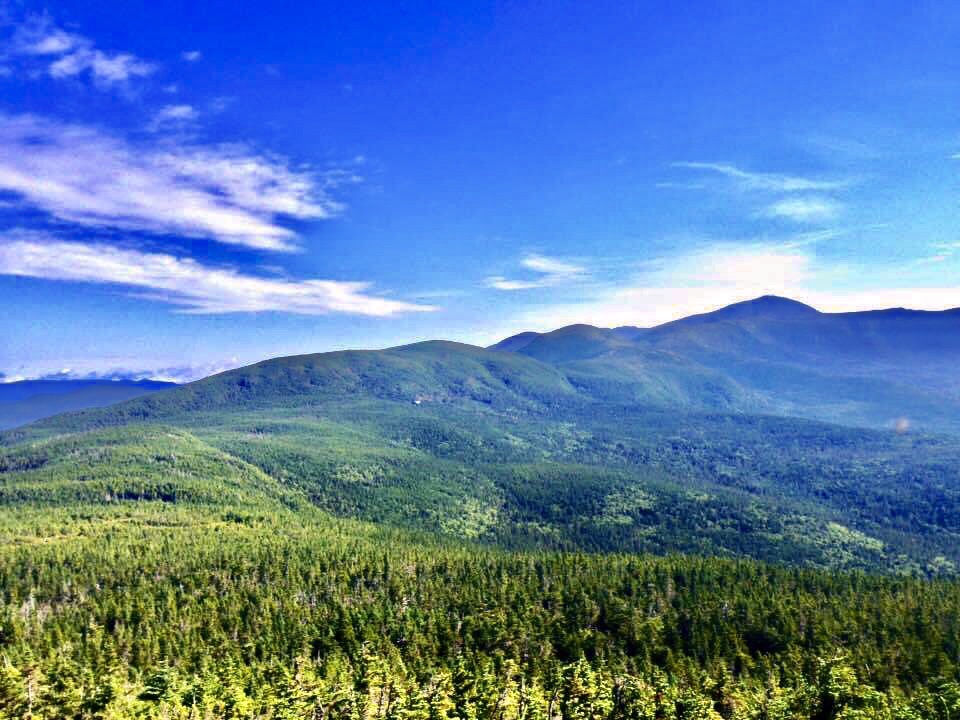
The hike was a tad longer than my previous backpacking trip at 8 miles and had much more elevation gain. Drinking plenty of water during the hiking was essential since I was exerting way more energy and sweating in the summer heat. The views were amazing and the stay at the hut was great. Everyone was so friendly. That’s one thing you notice while solo backpacking- atleast in my case- that you’re so much more motivated to make friends because you want that human connection…and not to feel bored.
That’s it!
Backpacking solo does not need to be daunting. It can be a wonderful and peaceful experience. I often find that backpacking, hiking, or any type of recreation on your own can make you more in tune with your surroundings and make you appreciate the beauty more. The important things to remember though are to be prepared and have a plan.

Even though I can’t backpack right now I can still enjoy the mountains on hikes, and this week out my window! For many years my family’s vacation has been a time share up in New Hampshire near Loon Mountain. Above is a shot I was lucky to randomly wake up in time to capture. Enjoy the fall colors while they’re still here, and consider backpacking some day, you won’t regret it.
Mahalo and Kia Ora!
 Peace Wellness Resource
Leave a comment